William Whetten Renwick: Creative Extraordinaire
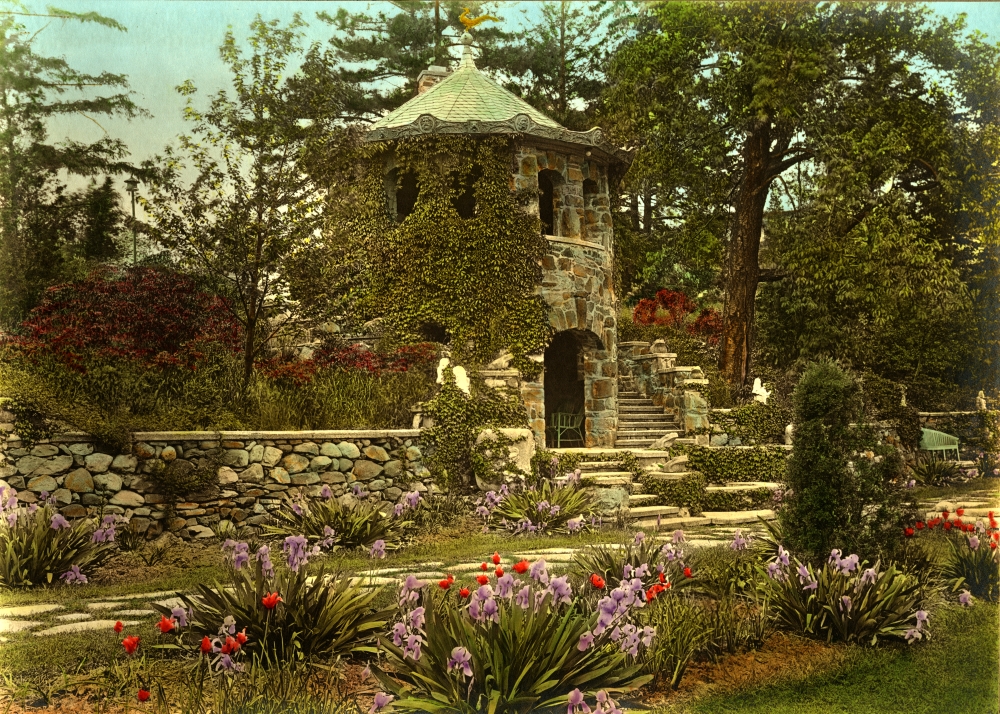
In the early twentieth century, when Joseph P. Day established Pleasant Days, the Short Hills estate that would one day become Greenwood Gardens, he assembled a circle of distinguished professionals to design both the residence and its surrounding gardens. At the center of this endeavor was his close friend and neighbor, William Whetten Renwick, whose own family home, “Vine Clad,” served as inspiration.
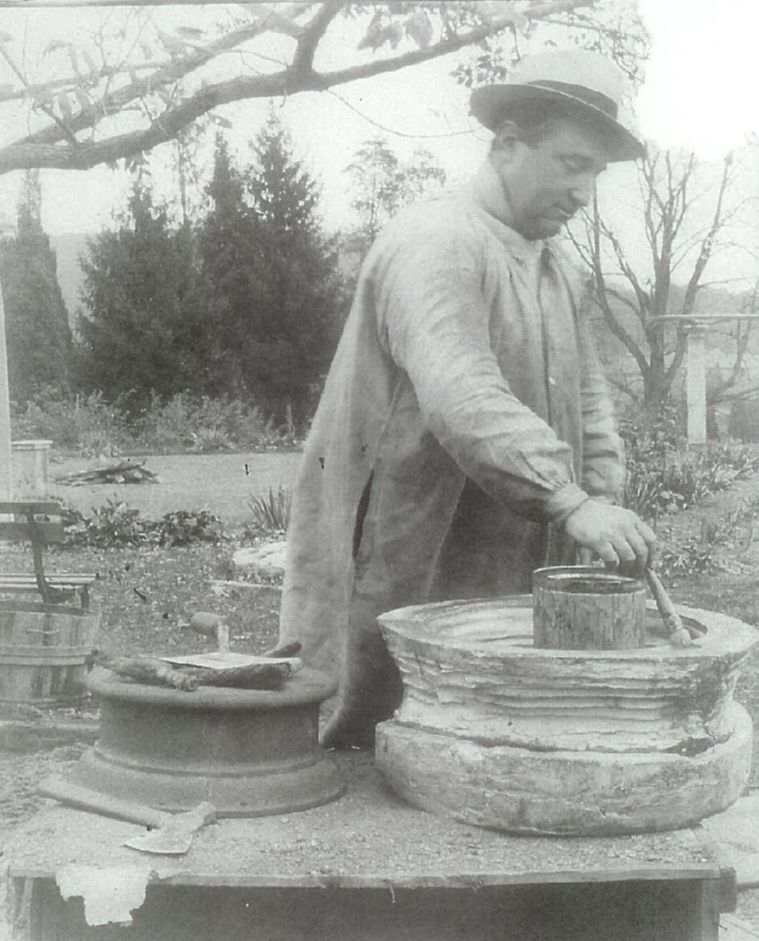
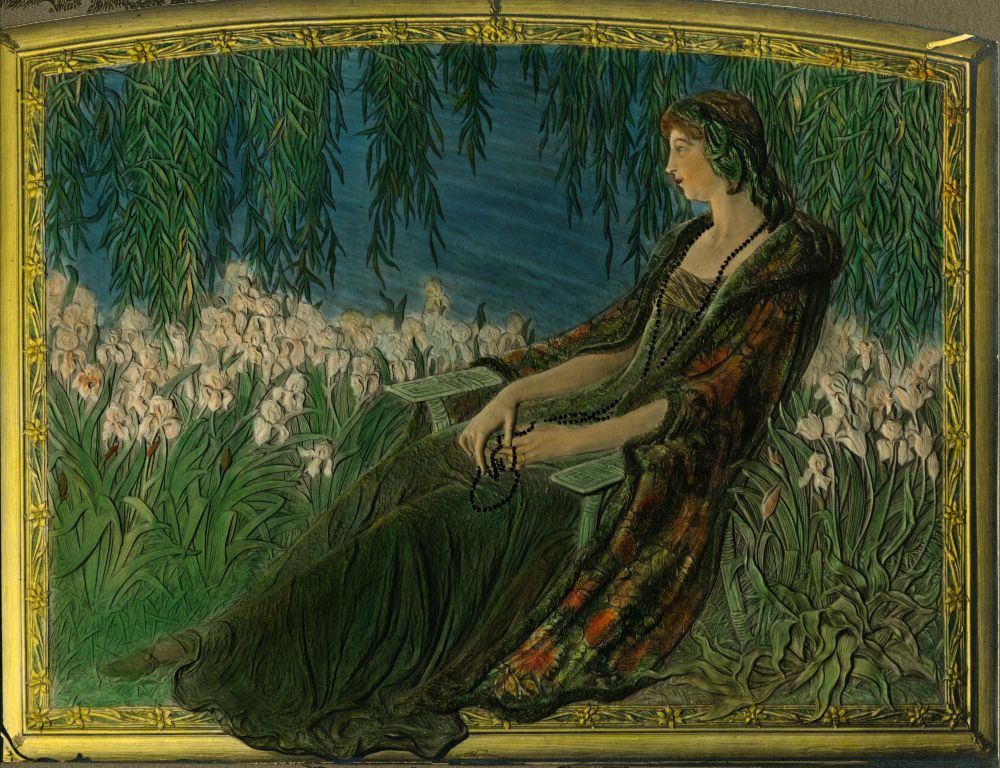
William Whetten Renwick (1864–1933) was a man of many artistic gifts: an architect, sculptor, painter, and garden designer. He studied sculpture at the École des Beaux-Arts in Paris and was affiliated with the American Institute of Architects, the National Sculpture Society, and the Salmagundi Club.
His family’s presence in Short Hills was deeply rooted. His father, Edward Sabine Renwick, an engineer and patent attorney, made his home there, as did William’s brother, Edward Brevoort Renwick, whose own estate, Brooklawn, was celebrated for its gardens. William was the nephew of the noted Gothic Revival architect James Renwick, Jr., designer of such notable New York City landmarks as St. Patrick’s Cathedral, the Smithsonian Institution, and Grace Church. William apprenticed in his uncle’s New York City firm, contributing architectural and decorative work before eventually becoming partner and then successor to the practice, which focused largely on ecclesiastical commissions.