A Welcome Harbinger of Spring

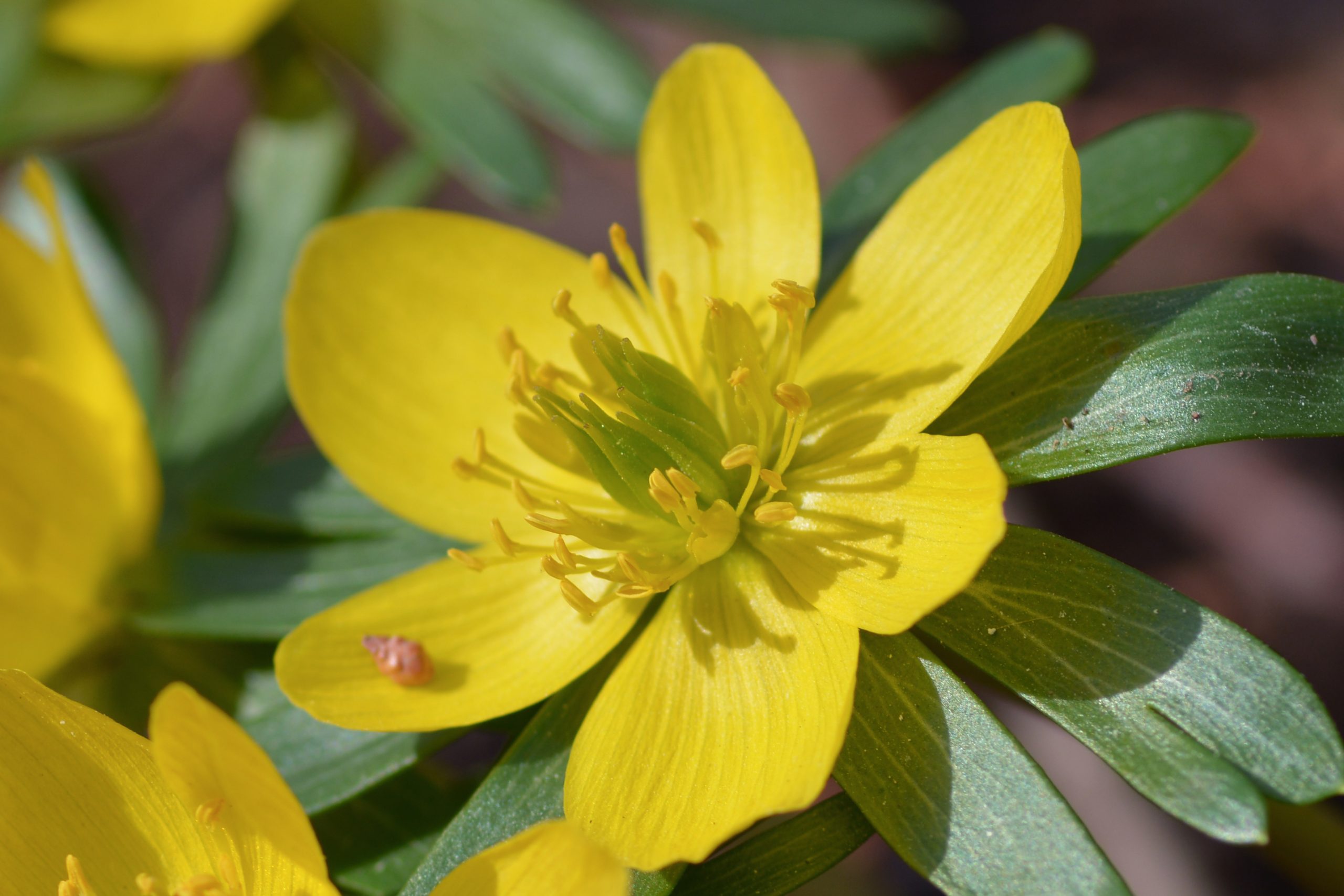
As the last traces of snow melt away from beneath the dawn redwoods at the base of the historic Cascade, one of Greenwood’s earliest blooming bulbs, winter aconite (Eranthis hyemalis), makes a glorious debut. Blanketing the earth in a radiant carpet, each solitary cup-shaped yellow flower is encased by a distinctive leaf-like “jester collar” of green bracts. These bracts serve as specialized leaves that support the bloom as it pushes through the soil when the lingering chill in the air retreats.

These cheery plants offer more to the garden than just their golden beauty. Their pollen and nectar provide essential nourishment for early foraging bees, flies, and beetles. This pollen aids pollinators with brood development and supplies sugars which are necessary to fuel the first flights of the season.

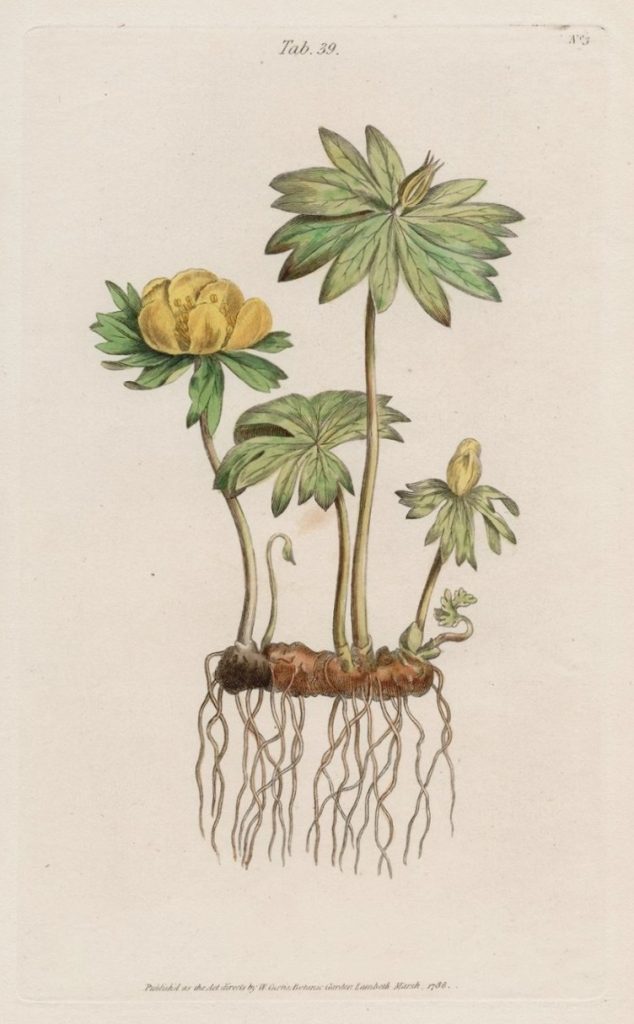
A member of the buttercup family, Ranunculaceae, winter aconite is native to the woodland regions of southern Europe, ranging from France to Bulgaria. Introduced to northern Europe in the late sixteenth century, it gained widespread popularity in eighteenth-century gardens. By the early nineteenth century — appearing in American records as early as 1806 — the plant had crossed the Atlantic brought in part by European settlers, particularly those of German descent. In the decades that followed, it gradually naturalized across the northeastern United States.

Like many early spring ephemerals, winter aconite’s brilliance is fleeting, and will vanish as swiftly as it appeared. And so, as surrounding trees awaken and their leaves begin to unfurl, winter aconite goes dormant, and patiently waits until nature calls it forth once again next year.

Reproduction of the winter yellow aconite (Eranthis hyemalis) from the Curtis Botanical Magazine, vol. 1, plate no. 3, is in the public domain.